Meet One of Our
Health Board Advisors Expert
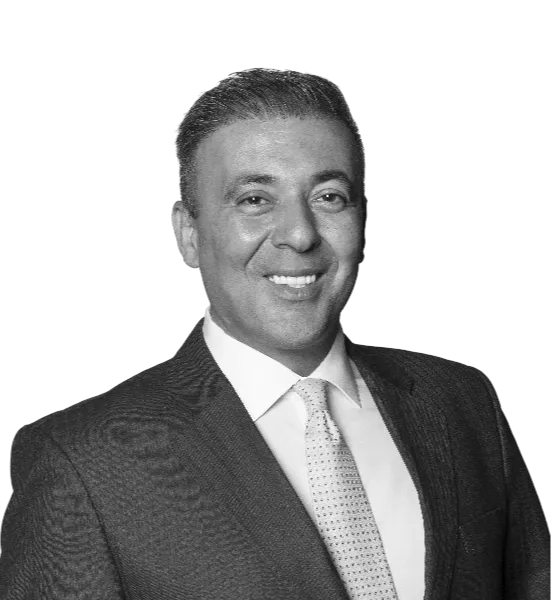
Kainor Shah
Bio:
Dr. Kianor Shah is the founder of a dental investment fund and the Global Summits Institute. He's built healthcare partnerships across 300-plus offices, creating scalable doctor-to-doctor networks. Dr. Shah has founded and led multiple ventures as CEO, managing director, and partner, driving innovation across domestic and international healthcare markets.
A Trusted Voice:
Where I Can Help
Top Keynote Talk Topics:
The Future of
Depression Care:
What Weʼre Learning
From 900+ DBS
Surgeries A talk that
breaks down how
deep brain stimulation
helps people with severe depression, what the newest NIH-funded research is showing, and how imaging helps predict who will benefit.
The Future of Depression Care: What Weʼre Learning From 900+ DBS Surgeries A talk that breaks down how deep brain stimulation helps people with severe depression, what the newest NIH-funded research is showing, and how imaging helps predict who will benefit.
When Treatment Fails: New Hope for Patients With Tremor, Parkinsonʼs, and Depression A practical look at what happens when medications stop working and how DBS and focused ultrasound offer strong, lasting results — with real data and clear explanations for clinicians and leaders.
Why Advanced Brain Treatments Are Underused — And How We Can Fix It A keynote for health systems, policymakers, and investors about the barriers that keep patients from life-changing treatments, how much this costs the system, and what solutions can improve access.
Building Better Brain Implants: What Doctors, Industry, and Patients Really Need Based on Dr. Fenoyʼs experience working with medical device companies and inventing new tools. Covers what makes technology adoptable, what the field is missing, and how to design devices people will actually use.
Using Brain Imaging to Guide Care: How fMRI and DTI Are Changing Neurosurgery A simple explanation of how imaging shows brain networks changing over time — and how this helps predict outcomes, improve device placement, and personalize care for movement and mood disorders.
Top Keynote Talk Topics:
AI Is Returning Power to the Physician: How artificial intelligence is shifting control back to clinicians and reducing dependence on third-party systems.
Key ideas: AI as the new clinical co-pilot, Reducing administrative friction and insurance complexity, From operator dependency to operator empowerment, Why physicians must adopt AI early.
From Chairside to Capital: Why Clinicians Must Lead Healthcare Innovation. Why clinical expertise must shape the future of healthcare investment and product development.
Key ideas: The danger of non-clinical innovation, Why doctor-led ideas succeed where startups fail, Turning clinical insight into scalable ventures, Building clinician-investor ecosystems.
The Doctor-to-Doctor Movement: Reclaiming Healthcare Leadership
Why physicians must collaborate globally to shape standards, policy, and innovation.
Key ideas: Breaking professional silos, Global collaboration in medicine and dentistry, Physician-led governance of AI and technology, Why collective action matters now
Healthcare Is Still a Business: The Skills Every Clinician Must Learn
Why clinical excellence alone is no longer enough.
Key ideas: The five hats every clinician must wear, Business literacy in medicine, Leadership, finance, and strategy in healthcare, Building sustainable practices and ventures
Top Keynote Talk Topics:
AI Is Returning Power to the Physician: How artificial intelligence is shifting control back to clinicians and reducing dependence on third-party systems.
Key ideas: AI as the new clinical co-pilot, Reducing administrative friction and insurance complexity, From operator dependency to operator empowerment, Why physicians must adopt AI early.
From Chairside to Capital: Why Clinicians Must Lead Healthcare Innovation. Why clinical expertise must shape the future of healthcare investment and product development.
Key ideas: The danger of non-clinical innovation, Why doctor-led ideas succeed where startups fail, Turning clinical insight into scalable ventures, Building clinician-investor ecosystems.
The Doctor-to-Doctor Movement: Reclaiming Healthcare Leadership
Why physicians must collaborate globally to shape standards, policy, and innovation.
Key ideas: Breaking professional silos, Global collaboration in medicine and dentistry, Physician-led governance of AI and technology, Why collective action matters now
Healthcare Is Still a Business: The Skills Every Clinician Must Learn
Why clinical excellence alone is no longer enough.
Key ideas: The five hats every clinician must wear, Business literacy in medicine, Leadership, finance, and strategy in healthcare, Building sustainable practices and ventures
Top Interview Questions:
What role do you believe artificial intelligence will play in reshaping healthcare operations, and how can physicians begin using AI today to improve both clinical care and practice management?
You’ve spoken about how technology can return power to the clinician. In practical terms, how can AI help physicians reduce administrative burdens and regain control of their practices?
In your work evaluating healthcare ventures and innovations, what characteristics make you say yes to a startup, and what signals immediately raise concerns for you?
You often emphasize the importance of physician-led innovation. Why do you believe ideas that originate from clinicians tend to create more sustainable healthcare solutions?
Many clinicians feel trapped between clinical work and growing administrative complexity. What mindset shift helps physicians move from simply managing these pressures to becoming builders, innovators, or investors in healthcare?
Looking ahead, as AI, globalization, and collaboration reshape medicine, what opportunities do you believe physicians should be paying attention to right now if they want to influence the future of healthcare?
Connect With Kainor Shah

