Meet One of Our
Health Board Advisors Expert
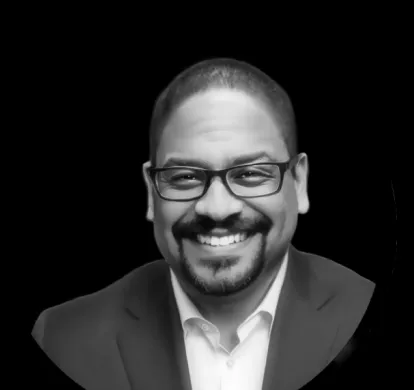
Val Torres, MD, MBA

Bio:
Dr. Val Torres is the co-founder and COO of Healthore Advisors. With more than 27,000 LinkedIn followers, he connects physicians, educators, and healthcare executives advancing in AI and digital health innovation across the US, Latin and global healthcare communities.
A Trusted Voice:
Where I Can Help
Top Keynote Talk Topics:
The Future of
Depression Care:
What Weʼre Learning
From 900+ DBS
Surgeries A talk that
breaks down how
deep brain stimulation
helps people with severe depression, what the newest NIH-funded research is showing, and how imaging helps predict who will benefit.
The Future of Depression Care: What Weʼre Learning From 900+ DBS Surgeries A talk that breaks down how deep brain stimulation helps people with severe depression, what the newest NIH-funded research is showing, and how imaging helps predict who will benefit.
When Treatment Fails: New Hope for Patients With Tremor, Parkinsonʼs, and Depression A practical look at what happens when medications stop working and how DBS and focused ultrasound offer strong, lasting results — with real data and clear explanations for clinicians and leaders.
Why Advanced Brain Treatments Are Underused — And How We Can Fix It A keynote for health systems, policymakers, and investors about the barriers that keep patients from life-changing treatments, how much this costs the system, and what solutions can improve access.
Building Better Brain Implants: What Doctors, Industry, and Patients Really Need Based on Dr. Fenoyʼs experience working with medical device companies and inventing new tools. Covers what makes technology adoptable, what the field is missing, and how to design devices people will actually use.
Using Brain Imaging to Guide Care: How fMRI and DTI Are Changing Neurosurgery A simple explanation of how imaging shows brain networks changing over time — and how this helps predict outcomes, improve device placement, and personalize care for movement and mood disorders.
Top Keynote Talk Topics:
The Evolution of Vaccine Policy: What the Public Was Never Told
How vaccine recommendations evolved over decades.
What early safety signals revealed.Where policy and science diverged.
Key points: Historical development of vaccine schedules, Early debates around safety monitoring, Why transparency matters in public health policy
When Science Meets Politics: The Hidden Pressures in Public Health
How research findings can be shaped by institutional pressure.
Key points: The tension between scientific discovery and policy agendas, Challenges researchers face when findings contradict prevailing narratives, The importance of independent analysis and peer review.
Vaccine Safety Research: Lessons from Decades of Data
A research-driven look at vaccine safety monitoring systems.
Key points: Epidemiological research methods in vaccine safety, Interpreting population-level data, Why continuous safety surveillance is essential.
Public Trust in Medicine: How Transparency Builds Confidence
Why public confidence depends on open dialogue and honest science.
Key points: The erosion of trust in health institutions, What transparency actually looks like in public health, How clinicians and scientists can rebuild credibility.
Informed Consent in Modern Medicine
What true informed consent means in preventive medicine.
Key points: Ethical foundations of medical consent, Risk communication with patients, The role of physicians in helping patients make informed decisions.
Top Keynote Talk Topics:
Rebuilding Trust in Healthcare: Why Experts Feel Underused and Patients Feel Unseen. This talk explains why many experts feel their skills are not being used properly, how this affects patient care, and what leaders can do to rebuild trust and purpose in the system.
From Transactions to Transformation: What Healthcare Leaders Must Fix First. Val shares what he sees from conversations with experts every week and explains the first steps leaders can take to create real impact instead of short-term fixes.
Why the Right Connections Matter More Than More Connections
Explains why most clinicians and executives already know many people but still feel stuck, and how the right context, alignment, and timing make the real difference.
Aligning Founders, Clinicians, and Operators: What Actually Works in Healthcare Innovation. A talk that breaks down what true alignment looks like between medical experts and business leaders, and how better collaboration leads to better outcomes.
Building a Legacy Beyond Your Role: How Experts Can Create Long-Term Impact. A talk focused on clinicians and senior leaders who want to do more than just their current job—Val shares practical ways experts can use their experience to influence innovation, mentor the next generation, and create lasting impact in healthcare.
Top Interview Questions:
You often ask experts where they feel underutilized. What are you really uncovering with that question?
You’ve said healthcare became transactional. What broke, and what needs to be rebuilt first?
Why do you believe most experts don’t need more connections, but instead need better context and access?
What does true alignment look like between founders, clinicians, and operators?
What separates founders who actually scale from those who stall after early traction?
If a clinician or executive wants to build legacy beyond their current role, what’s the first step they should take?
Connect With Dr. Val Torres

